
Category: Managed Data Backup
-

Business owners already have enough responsibilities without having to wonder whether their backups are working. Data is essential to almost every modern business, yet backup is often something that gets configured and then forgotten. Managed data backup can help take some of that responsibility off the business owner’s shoulders by making backup an ongoing process…
-
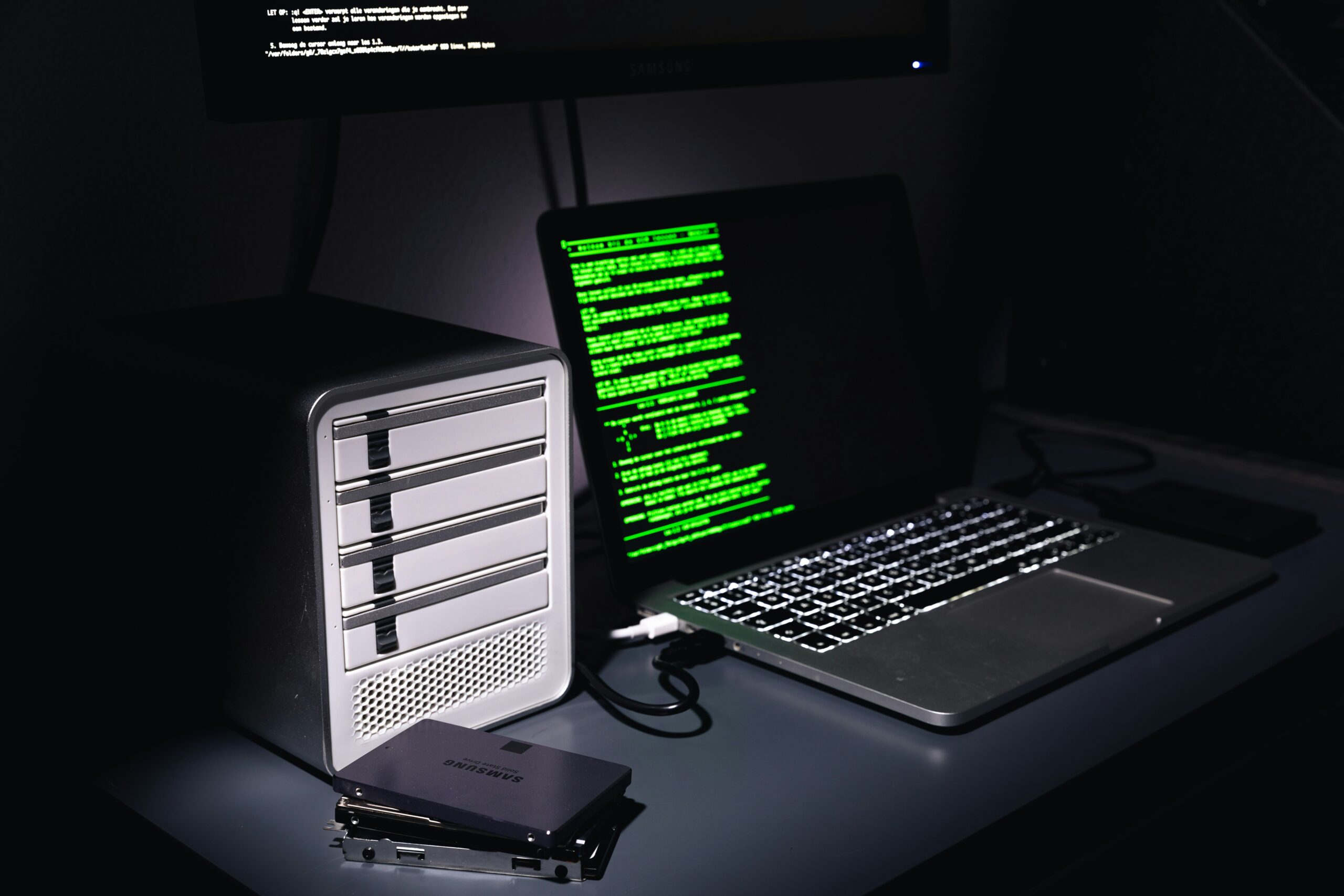
Buying backup software can make it feel like the backup problem has been solved. The software is installed, a schedule is configured, and backups begin running. But software is only one part of a complete backup process. Businesses can still experience data loss because backups fail, important systems aren’t included, errors go unnoticed, or nobody…
-
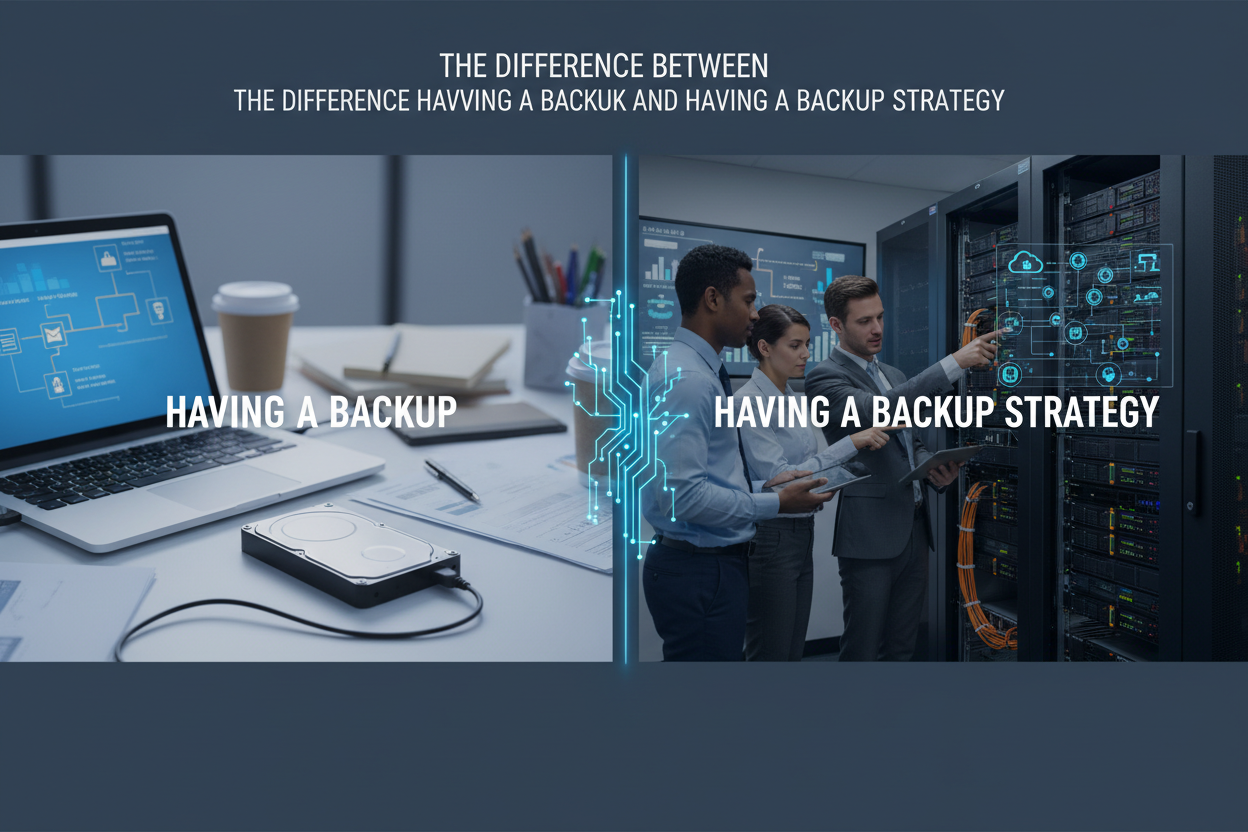
Many businesses can answer “yes” when asked whether they have a backup. But having a backup and having a business backup strategy are two different things. A backup may simply be a copy of some files stored somewhere else. A strategy considers what needs to be protected, how frequently it should be backed up, how…
-

t’s easy to say, “We have backups.” Maybe backup software was installed, a schedule was created, and everything appeared to be working. But here’s a more important question: Who is actually managing your business backup? Having software running in the background doesn’t necessarily mean someone is making sure your important information is being protected. A…
-

Data loss can happen to any business, and it doesn’t always require a major disaster. An employee can accidentally delete an important file, a computer can fail, ransomware can encrypt business information, or an account can be compromised. This is why business data backup is such an important part of protecting a company. The challenge…
-
Business owners already have enough responsibilities without having to wonder whether their backups are working. Data is essential to almost every modern business, yet backup is often something that gets configured and then forgotten. Managed data backup can help take some of that responsibility off the business owner’s shoulders by making backup an ongoing process…
-
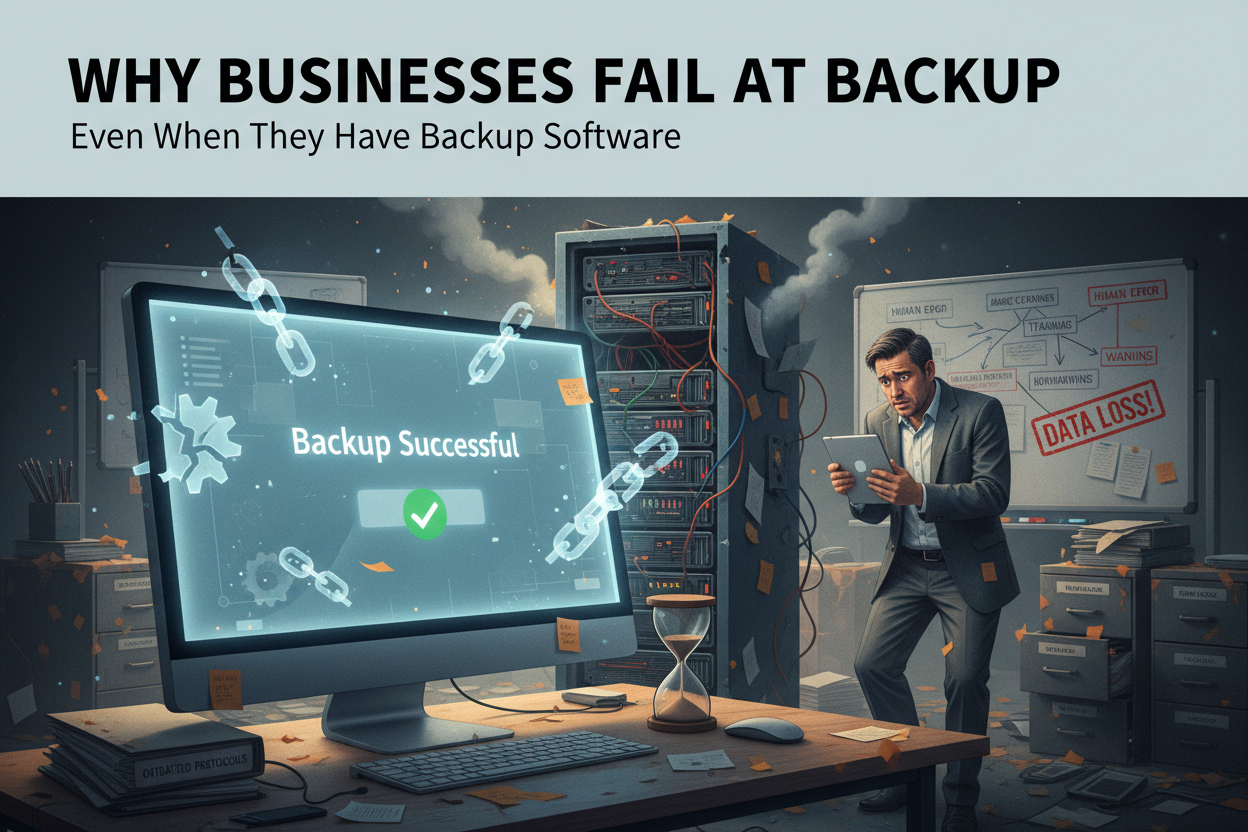
Buying backup software can feel like you’ve solved the backup problem. The software is installed, a schedule is created, and backups begin running. But backup software is only one part of a complete data protection process. Businesses can still experience data loss because backups fail, important systems aren’t included, errors go unnoticed, or nobody knows…
-
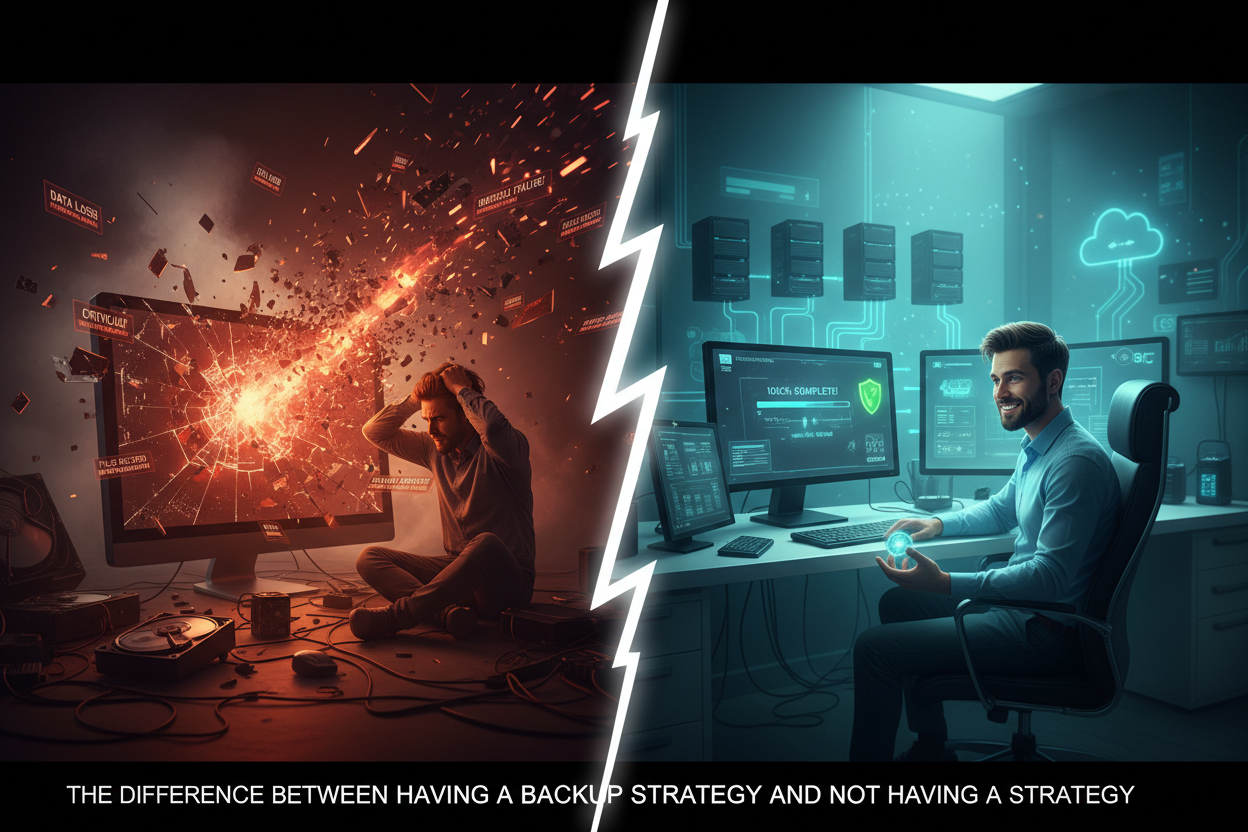
Many businesses can answer “yes” when asked whether they have a backup. But having a backup and having a business backup strategy are two very different things. A backup may simply be a copy of some files stored somewhere else. A strategy considers what needs to be protected, how often it should be backed up,…
-

It’s easy to say that your business has a backup. Maybe software was installed months ago, schedules were configured, and everyone moved on to other priorities. But here’s an important question: who is actually managing your business backup? Having backup software running in the background doesn’t necessarily mean someone is making sure your important data…
-
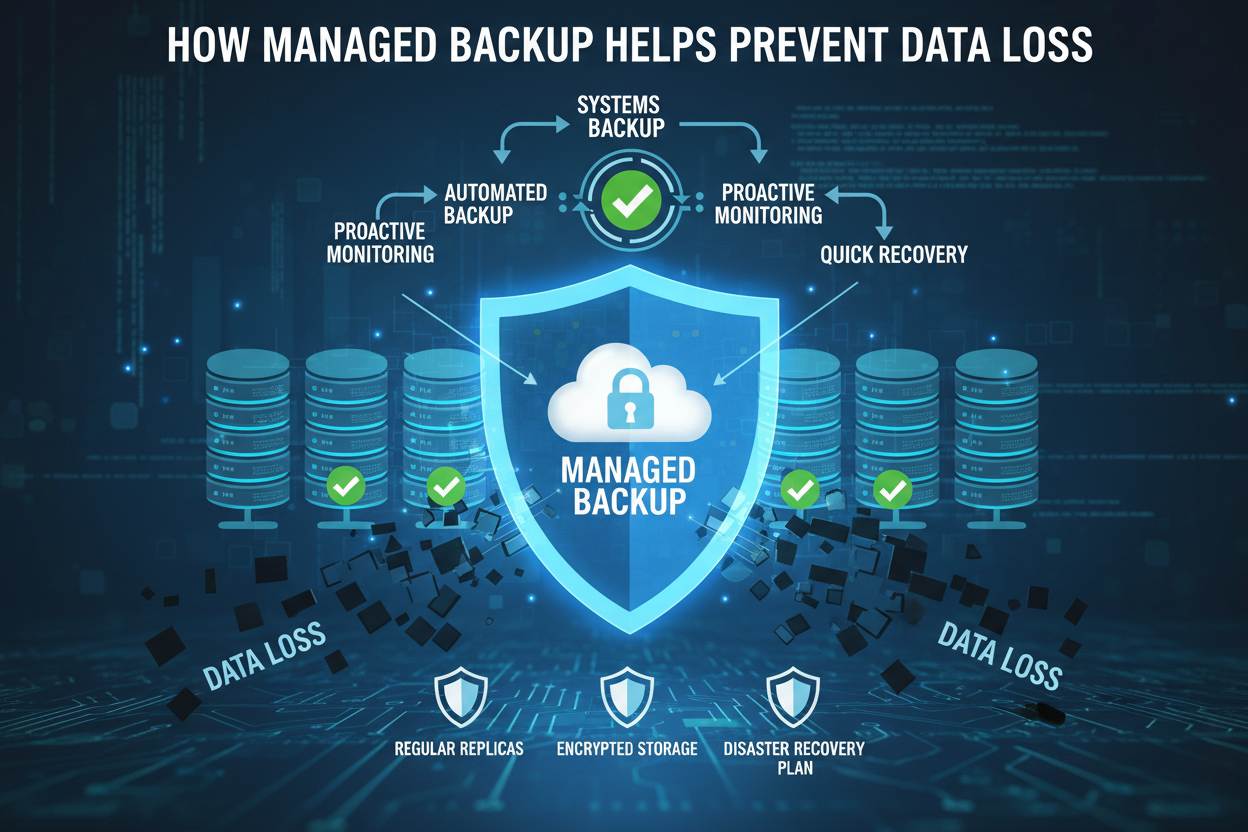
Data loss can happen in more ways than most business owners realize. An employee can accidentally delete an important file, a computer can fail, ransomware can encrypt business information, or a cloud account can experience a problem. That’s why business data backup is such an important part of protecting a company. The challenge is that…